

Let's get pregnant.
Sperm Bootcamp · 37% OFF

The male half of it.
Half the time, it's a sperm issue.

By the time a couple reaches a clinic, one partner has usually been investigated in detail and the other has not been investigated at all.
We have a sperm problem.
Sperm counts have fallen 62% since 1973.
A review of 57,168 men across 53 countries found average sperm concentration dropped from 101 million per millilitre in 1973 to 49 million in 2018. Total sperm count fell by 62%. This is the largest analysis of its kind.
Low motility is one of the most common findings.
Reduced sperm motility — asthenozoospermia — is reported in 18% to 36% of men assessed for fertility. Motility means the share of sperm moving properly: below 40% moving, or below 32% moving forwards, falls under the WHO reference limit.
In half of infertile couples, the male factor is involved.
Male factor contributes to around 50% of cases and is the sole cause in about 20%. Despite this, investigation still routinely begins and often ends with the female partner.
“Unexplained” have a man with sperm damage.
In men whose partners’ investigations came back clear and whose own semen analysis looked normal, 26% had a DNA fragmentation index above 20%. Standard testing does not measure DNA integrity, so it was never found.
Miscarriage rate from sperm DNA damage.
A meta-analysis of 16 studies covering 2,969 couples found elevated sperm DNA fragmentation associated with roughly twice the risk of miscarriage. A conventional semen analysis measures count, motility and shape — not whether the DNA inside is intact.
17% of men are below the sperm concentration threshold.
In a nationwide study of 2,523 young men, 17% had a sperm concentration below 15 million per millilitre — the WHO lower reference limit. Concentration is the single parameter most closely tied to the time it takes to conceive.
62% of men have some issue with their sperm.
In a nationwide study of 2,523 young men, 62% fell below the WHO reference limit on at least one of concentration, motility or morphology. The reference limits are set at the fifth percentile of men known to have fathered a child, so falling below one is not a diagnosis on its own — it is a reason to have the number measured rather than assumed.
So why is this happening?
Your sperm are under attack, 24/7.
Cut an apple and it turns brown. That is oxidation, and the same thing happens inside your body, including sperm. Sperm have no way to repair themselves, so the damage sticks — and it lands on the DNA they are carrying.
By 45, you're already high-risk.
The percentage of sperm carrying broken DNA is your DFI %.
The share of sperm carrying broken DNA.

Across a cohort of 1,191 men aged 19 to 59, DFI rose by an average of about 2% a year. Ninety days on TetraSOD® moved the average man from the highest-risk band into the intermediate one — a drop of 8.29 points.
Broken sperm DNA shows up in the outcome.

Damaged sperm DNA is linked to lower pregnancy rates, more miscarriage and underweight babies. TetraSOD® cut DNA fragmentation by 8.29 points over ninety days.
Four rockstar supplements for sperm.
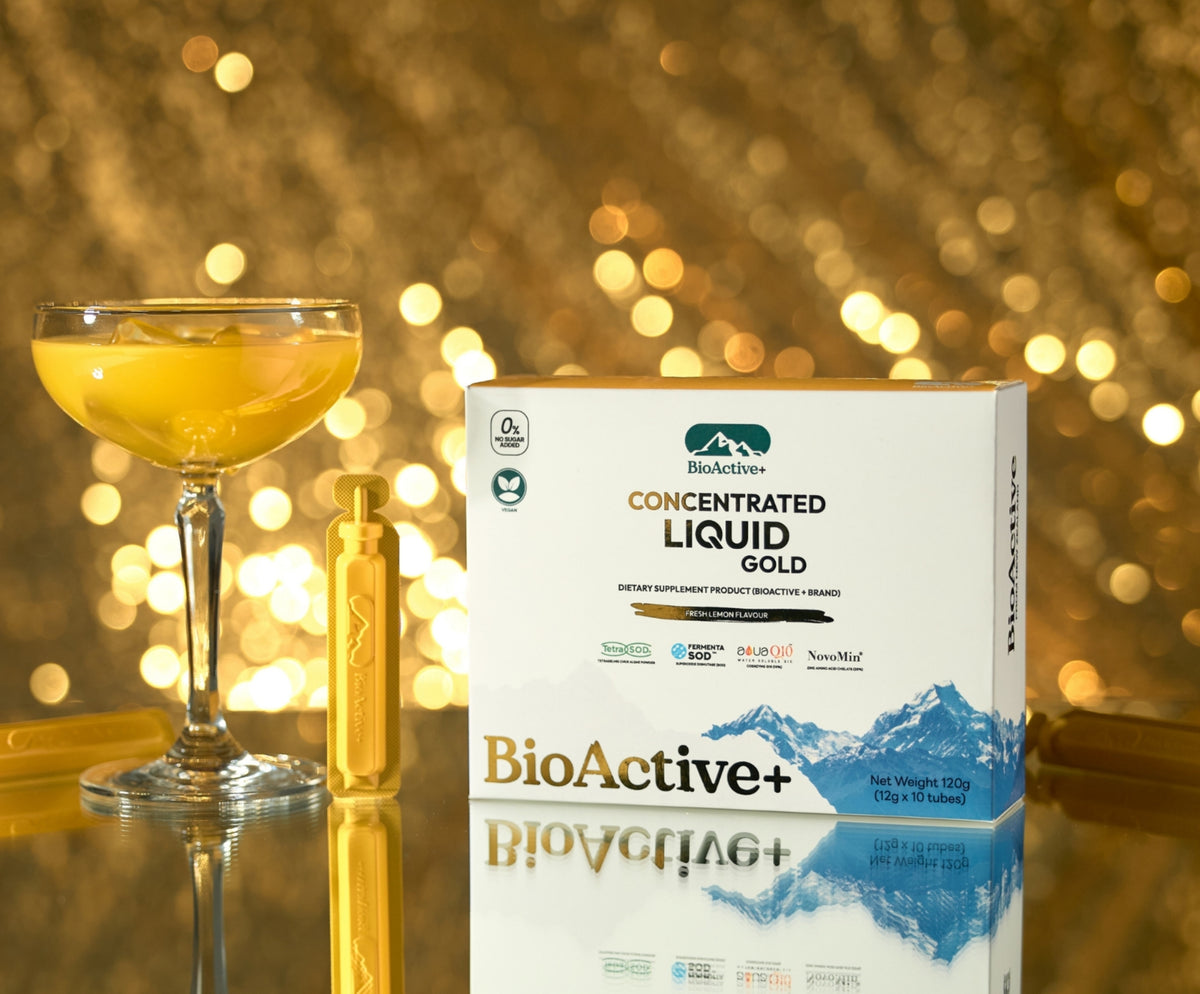
Lowers the oxidative load sperm are built in.
Free radicals break sperm DNA (and other cells). TetraSOD® neutralises them, protecting the DNA inside cells.
Fuel for the part of the sperm that swims.
CoQ10 works in the mitochondria packed into the sperm midpiece — the engine behind motility.
Zinc does its own work in fertility.
Zinc is concentrated in semen and lost with every ejaculation. It also sits inside your own SOD enzymes.
Selenium builds the sperm itself.
Selenium is built into glutathione peroxidase and into the structure of the sperm midpiece itself.
9 actives inside every tube
Zinc and selenium carry authorised fertility claims of their own, and both are cofactors for TetraSOD®.
Try our sperm bootcamp.
You are not repairing today's sperm.

Change the conditions the next batch is made in. Eighty tubes covers a full cycle.
Impressive numbers.
Forty men tested it.

Men aged 18–45 with idiopathic infertility. Semen parameters from the 2023 randomised pilot; DNA fragmentation and oxidative stress from the 2026 trial published in the World Journal of Men's Health.
What that buys you.
Intact paternal DNA tracks with better fertilisation and stronger embryo grades, in IVF and ICSI.
Each point of DFI removed is linked to about 9% lower miscarriage odds. Compounded over the 8.29-point drop TetraSOD® achieved.
Underweight births are 2.5× less common in the lowest fragmentation band than the highest.

Try this before IVF.
Eighty days, before the cycle.

Proxeed Plus at AED 399 a box of 30 sachets, two sachets a day. Eighty days of Liquid Gold, run before the cycle you were going to book anyway.
The whole story, in a minute.


It wins awards.
Best Longevity Ingredient 2026, GHP Global Excellence Awards — awarded to TetraSOD® on published clinical research.
Here's all the data.
Published trials, third-party certification and local registration. Every claim checks out.
Trials, certification and registration.

Study links open in a new tab. Ask us for the certificate of analysis for any batch and we will send it.

The reviews speak for themselves.

It's a refreshing daily drink. Makes sense to support sperm when trying.

We each wanted to do everything we can, and not just take a chance.

Male factor is under-investigated. Test DFI early and be proactive.
